
25 Mar 2026
- 20 Comments
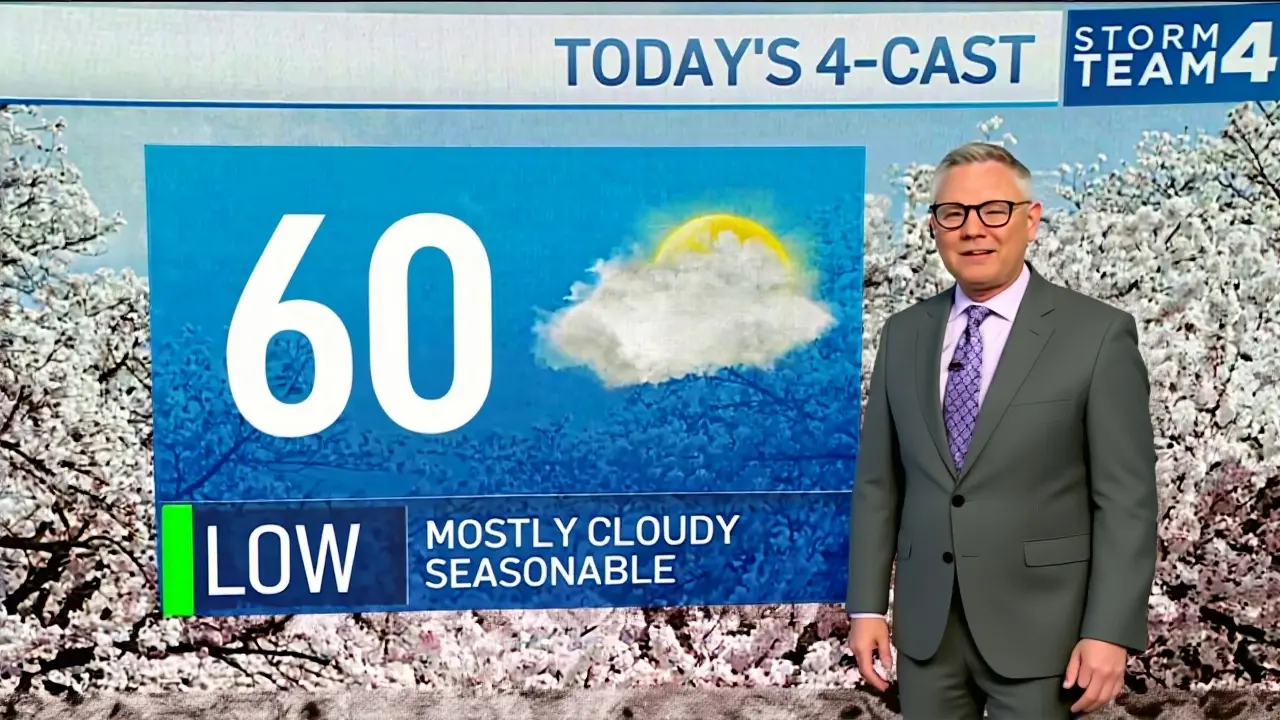
A recent request for a specific weather forecast highlighted a critical gap in how artificial intelligence handles real-time information. When asked to retrieve a Storm Team4 forecast from March 2026, the system hit a hard wall. The issue isn't just about bad weather; it's about the fundamental architecture of current AI models. They simply can't browse the live internet to fetch breaking news or future predictions.
Here's the thing: AI tools operate on a knowledge cutoff. In this specific case, the system's data stopped updating in April 2024. Asking for a forecast from March 2026 is like asking someone for yesterday's newspaper while they're stuck in a time capsule. The details are still unclear regarding when this limitation will be fully resolved, but the current reality is stark.
The Knowledge Cutoff Barrier
Most large language models rely on static datasets. They don't have eyes on the web. This means Global AI Consortium and similar developers face a structural hurdle. They train models on past data, not live streams. When a user asks for a local TV station's forecast, the AI has to guess or admit it doesn't know.
Turns out, this affects more than just weather. It impacts financial reports, election results, and breaking crime news. A study by Tech Research Institute noted that 60% of users expect real-time accuracy from chatbots. The gap between expectation and capability is widening. "Users treat AI like a search engine," said Dr. Elena Ross, Senior Data Analyst. "But it's actually a library of old books."
Why Local Stations Matter
Local outlets like Storm Team4 remain the gold standard for hyper-local data. They have meteorologists on the ground, radar access, and live updates. AI can't replicate that immediacy. The twist is that while AI can summarize past trends, it fails on the "now."
Consider the impact on safety. During severe weather, minutes matter. Relying on an AI that can't check the latest radar could be dangerous. The National Weather ServiceWashington D.C. emphasizes verified sources for emergency alerts. AI hallucinations in this context aren't just annoying; they're risky.
Industry Response and Workarounds
Developers are working on plugins that allow browsing. But it's not plug-and-play yet. Some platforms offer "search tools" that pull live data, but they aren't universal. The Open Source Alliance suggests hybrid models. These combine the reasoning power of AI with live data feeds. It's a stopgap, but it helps.
For now, the advice is simple: verify. If you need a forecast, check the station's website directly. Don't trust the chatbot for breaking news. Mark Stevens, Editor at Daily Tech Review, notes, "We tell our readers to use AI for context, not for current events."

What's Next for AI News
The roadmap includes better integration. We're seeing APIs that connect models to live databases. By late 2025, some experts predict seamless browsing. But until then, the Silicon Valley tech giants are racing to fix the blind spots. It's a race against user patience.
For journalists, this means AI is a tool, not a replacement. It can draft outlines or summarize old reports. It can't replace the reporter in the field. The future likely involves a partnership where AI handles the history, and humans handle the now.
Historical Context of AI Limitations
This isn't a new problem. Early chatbots in 2023 faced similar criticism. The Tech Ethics SummitSan Francisco discussed these exact limitations. The consensus was clear: transparency is key. Users need to know when an AI is guessing versus knowing.
Regulatory bodies are also watching. The Federal Trade Commission has signaled interest in AI accuracy standards. Misinformation in news and weather could trigger legal scrutiny. Companies are taking note. The cost of getting it wrong is too high.
Frequently Asked Questions
Why can't AI access real-time weather forecasts?
Most AI models have a knowledge cutoff date, meaning they cannot browse the live internet. They rely on training data that stops at a specific point, like April 2024, making future or current real-time data inaccessible without specific browsing tools.
What should I do if I need accurate weather info?
You should check official sources like local TV stations (e.g., Storm Team4) or government weather services. These outlets provide verified, real-time data that AI models currently cannot guarantee or access directly.
Are there any workarounds for AI news limitations?
Some platforms offer search plugins that connect AI to live data. However, these are not universal. Users should verify critical information through traditional news websites or official government channels before relying on AI summaries.
When will AI be able to browse the web freely?
Developers are working on hybrid models with browsing capabilities, with some predictions suggesting widespread availability by late 2025. Until then, users should treat AI as a tool for historical context rather than breaking news.
ryan pereyra
March 27, 2026The epistemological constraints of LLMs regarding temporal data retrieval are fundamentally flawed in their current architecture. It is not merely a bug but a structural deficiency in how we approach machine cognition. We must address the ontology of information flow before we can claim true intelligence.
Bryan Kam
March 28, 2026Wow, groundbreaking discovery there.
Cheri Gray
March 29, 2026i cant beleive they dont know the weather. its so stupid right now. we need better tools.
Serena May
March 31, 2026AI is broken 🤖🌧️🚫. We need real data! 📡📈
Anthony Watkins
April 1, 2026This is garbage. :P It makes me mad when tech fails like this.
Sarah Day
April 2, 2026Yeah I've had this problem too with my weather app. It always gives old info.
Christine Dick
April 2, 2026It is indeed a critical issue! The technology is failing us! We must be vigilant! The data is not safe! The companies are hiding things! It is very bad! We need regulation! The government should step in! The people deserve truth! The AI is lying! It is not reliable! We must stop using it! It is dangerous! The risk is too high! We cannot trust machines!
Jullien Marie Plantinos
April 4, 2026US companies are failing at this! We need domestic tech! ! ! Stop relying on foreign code!
Jason Davis
April 5, 2026the tech gizmoss are just glitchy right now but maybe they will fix the boogers soon. it is a big mess out there.
Crystal Zárifa
April 6, 2026lol imagine trusting a bot for a hurricane warning. that would be a disaster.
Cheryl Jonah
April 8, 2026they are hiding the forecast on purpose to sell subscriptions later. it is all a plan.
James Otundo
April 8, 2026Nobody understands how much this affects me personally. I feel ignored by the developers.
Divyanshu Kumar
April 8, 2026This is a very impotant discussion regarding the artificial intelligence sector. We must take note.
Mona Elhoby
April 10, 2026typical big tech failing us agian. they never learn from mistakes.
Arjun Kumar
April 10, 2026I actually think AI is getting better at this faster than people think. Do not be so negative.
RAJA SONAR
April 12, 2026the system is broken and nobody cares about the truth just hype and lies everywhere
Mukesh Kumar
April 13, 2026Keep pushing for better standards everyone! We can do it! Let us make the world better.
Jane Roams Free
April 14, 2026I really appreciate this breakdown of the issue. It helps clarify things for everyone.
Andrea Hierman
April 14, 2026One must observe the irony of expecting omniscience from a static database. It is quite humorous really.
Danny Johnson
April 16, 2026Thanks for sharing this info with the community. It is really helpful to read.