
7 Jun 2026
- 0 Comments
It was supposed to be George Russell, driver for Mercedes's day in Montreal. He had sprint pole. He had race pole. He even led the opening laps of the main event at the Circuit Gilles Villeneuve. But then, silence. A battery failure stranded the Mercedes driver on track, handing the lead—and the victory—to his teammate, Kimi Antonelli.
The twist? This wasn't just any win. It was Antonelli’s fourth consecutive Grand Prix victory, cementing his status as the man to beat in the early part of the 2026 season. The drama unfolded during the fifth round of the Formula One World Championship, a weekend that saw high speeds, technical gremlins, and a dramatic shift in momentum that left fans breathless.
A Weekend of Dominance and Disaster
The narrative began on Friday, May 22, 2026. Russell looked unstoppable, converting his Sprint Qualifying advantage into a sprint race victory. Antonelli finished second, with McLaren’s Lando Norris taking third. It seemed like a foregone conclusion: Russell would start from pole on Sunday and likely extend his winning streak.
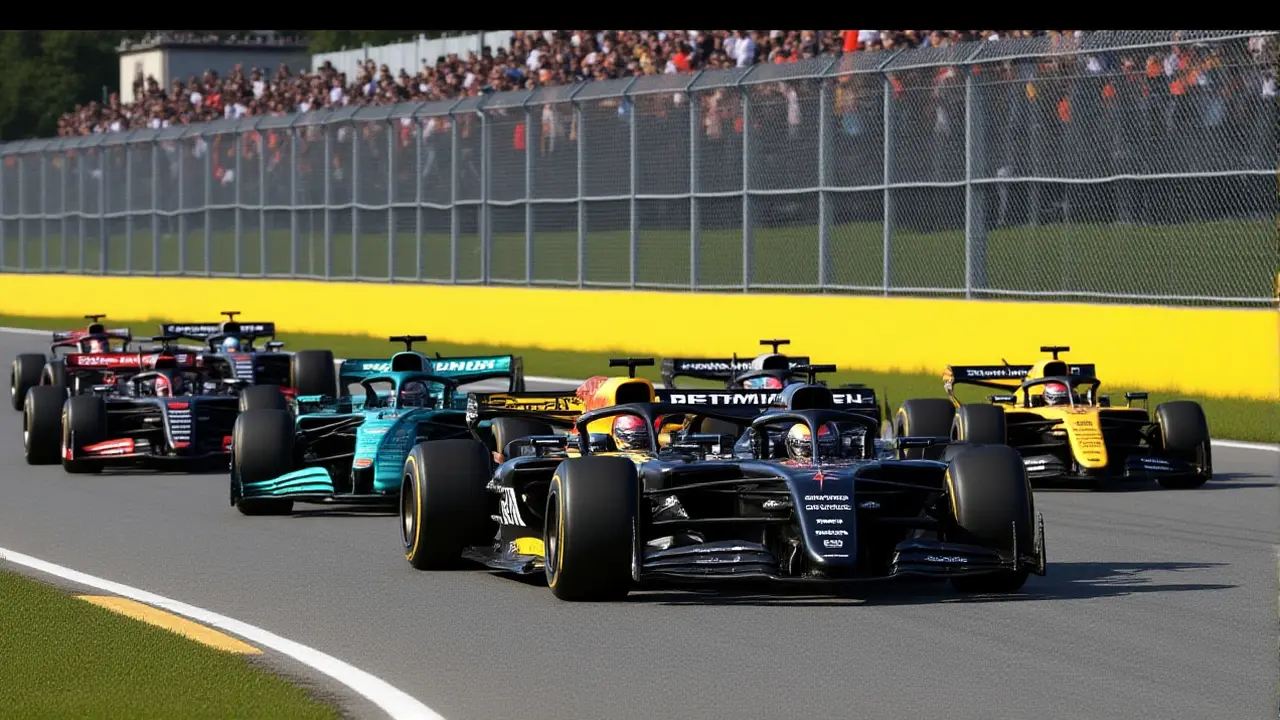
But racing is rarely that simple. On Sunday, May 24, the air in Montreal was thick with anticipation. The start was clean, but the battle between the two Mercedes drivers was intense from the very first corner. They traded blows, pushing each other to the limit through the tight chicanes and onto the long straightaways. Then, on lap 14, disaster struck. Russell’s car coasted to a halt due to a critical battery failure—his first retirement since the British Grand Prix in 2024.
"I never doubted myself," Russell said after the sprint pole, a confidence that made the subsequent mechanical failure all the more bitter. "We pushed hard, but sometimes the technology lets you down."
Antonelli Inherits the Lead
With Russell out, Kimi Antonelli inherited the lead. Unlike many young drivers who might falter under such sudden pressure, Antonelli stayed cool. He managed the gap perfectly, conserving tires while keeping the chasing pack at bay. His strategy paid off handsomely. He crossed the finish line in 1:28:15.758, securing a dominant win.
The podium was completed by an unexpected duo. Lewis Hamilton, now driving for Ferrari, took second place, finishing +10.768 seconds behind. Third went to Max Verstappen of Red Bull Racing, who could only watch as the Mercedes one-two turned into a Mercedes-Ferrari-Red Bull result. Charles Leclerc finished fourth, followed by Isack Hadjar in fifth.
Why the Late Start?
If you were trying to catch the race live in Europe, you might have noticed the unusual timing. The main Grand Prix didn't start until 9 p.m. BST (4 p.m. local time). This late slot was specifically chosen to avoid a clash with the Indianapolis 500, which took place earlier in the day. It’s a scheduling headache for global broadcasters, but it ensures maximum viewership for both motorsport giants.
In the UK and Ireland, Sky Sports F1 provided comprehensive coverage. Build-up started at 7:30 p.m., with the race going live at 9 p.m. Non-subscribers could stream via NOW TV, while the Sky Sports app offered onboard camera feeds for those wanting a driver’s perspective. For Americans, the focus remained firmly on Indy, leaving the Canadian action as a secondary highlight reel for most networks.
Support Series and Spectator Rules
Before the F1 lights went out, the weekend featured exciting support races. The F1 Academy held its Race 3 at 3:40 p.m., showcasing top female talent. Meanwhile, FIA Formula 2 made its debut at the circuit with a feature race at 5 p.m., adding another layer of competition to the weekend.
For the thousands of fans who attended, the experience was tightly regulated. Organizers enforced strict rules: no glass, no large bags (over 9x18x10 inches), and absolutely no bare chests. Drones and generators were also banned to ensure safety and fair viewing. Despite these restrictions, the atmosphere in Parc Jean-Drapeau was electric, with fans staying downtown yet enjoying easy access to the track.
Historical Context and Records
The Circuit Gilles Villeneuve has been a staple of the F1 calendar since 1978. Known for its wall-of-chicane and high-speed straights, it demands precision. The current lap record stands at 1:13.078, set by Valtteri Bottas in 2019. Historically, Lewis Hamilton and Michael Schumacher share the record for most wins here, with seven each.
This year’s result adds a new chapter to that history. Antonelli’s back-to-back victories (Sprint and Main) mark him as a serious contender for the championship. Meanwhile, Mercedes’ reliability issues raise questions heading into the European summer stretch. With six Grands Prix remaining in the 2026 season, every point will count.
Frequently Asked Questions
Who won the 2026 Canadian Grand Prix?
Kimi Antonelli won the 2026 Canadian Grand Prix. He inherited the lead after his teammate George Russell retired due to a battery failure. This marked Antonelli’s fourth consecutive Grand Prix victory of the season.
Why did George Russell retire from the race?
George Russell retired due to a critical battery failure in his Mercedes car. This occurred after he had taken pole position and led the opening stages of the race. It was his first retirement since the 2024 British Grand Prix.
What time did the race start in the UK?
The main race started at 9:00 p.m. BST (British Summer Time) on Sunday, May 24, 2026. The start time was delayed from the usual slot to avoid a broadcast clash with the Indianapolis 500.
Who completed the podium?
Second place went to Lewis Hamilton, driving for Ferrari, and third place was taken by Max Verstappen of Red Bull Racing. Charles Leclerc finished fourth, completing the top four.
Was there a Sprint race this weekend?
Yes, the 2026 Canadian Grand Prix was a Sprint weekend. George Russell won the Sprint race on Saturday, having taken Sprint Pole on Friday. The Sprint format determines the starting grid for the main race.
How can I watch future F1 races?
In the UK, Sky Sports F1 holds the exclusive broadcasting rights. You can watch via satellite, cable, or streaming through the Sky Sports app and NOW TV. International viewers should check their local F1 broadcast partners.