
28 Jun 2026
- 0 Comments
It was supposed to be just another night of soccer. Instead, it became a global flashpoint for culture, politics, and identity. On Friday, June 26, 2026, Seattle hosted one of the most talked-about fixtures in modern football history: a Group G match between Egypt and IR Iran. The game ended in a 1-1 draw, but the real story unfolded long before kickoff.
Local organizers had branded this specific slot as a "Pride Match" months earlier, aligning it with the city’s annual Pride Weekend. They didn’t know who would play. They certainly didn’t expect two nations with some of the world’s strictest anti-LGBTQ+ laws. Turns out, that collision course created tension, controversy, and a powerful statement about inclusion on the world stage.
The Setup: A Plan Before the Draw
Here’s the thing: the "Pride Match" concept wasn’t FIFA’s idea. It originated with local groups in Seattle well before the World Cup draw took place in December 2025. Seattle PrideFest, a nonprofit that has organized the city’s Pride celebrations since 2007, designated June 26 as their flagship "Pride Night."
They were banking on the energy of the World Cup to amplify their message. ana Tse, president of World Cup26 (FWC), the local organizing committee, told CNN Sports late last year that "football has a unique ability to bring people together across borders, cultures, and beliefs." It was a hopeful sentiment. But when Egypt and Iran landed in the same group, that hope met reality head-on.
The Conflict: Federations Push Back
As the date approached, pressure mounted. Both the Iran Football Federation and Egypt’s national association urged FIFA to distance the match from any Pride messaging. They specifically asked for restrictions on ceremonies, symbols, and rainbow flags inside and around the stadium. For them, this wasn’t just about sports; it was a matter of national values and religious law.
FIFA found itself in the middle. President Gianni Infantino had already clarified his stance in January, telling Swiss newspaper *Weltwoche* that there would be no official "Pride Match" at the World Cup. "There will be a FIFA World Cup match in Seattle," he said, "and on the same day, events organized by external organizations will be taking place in the city. But that has nothing to do with the match itself."
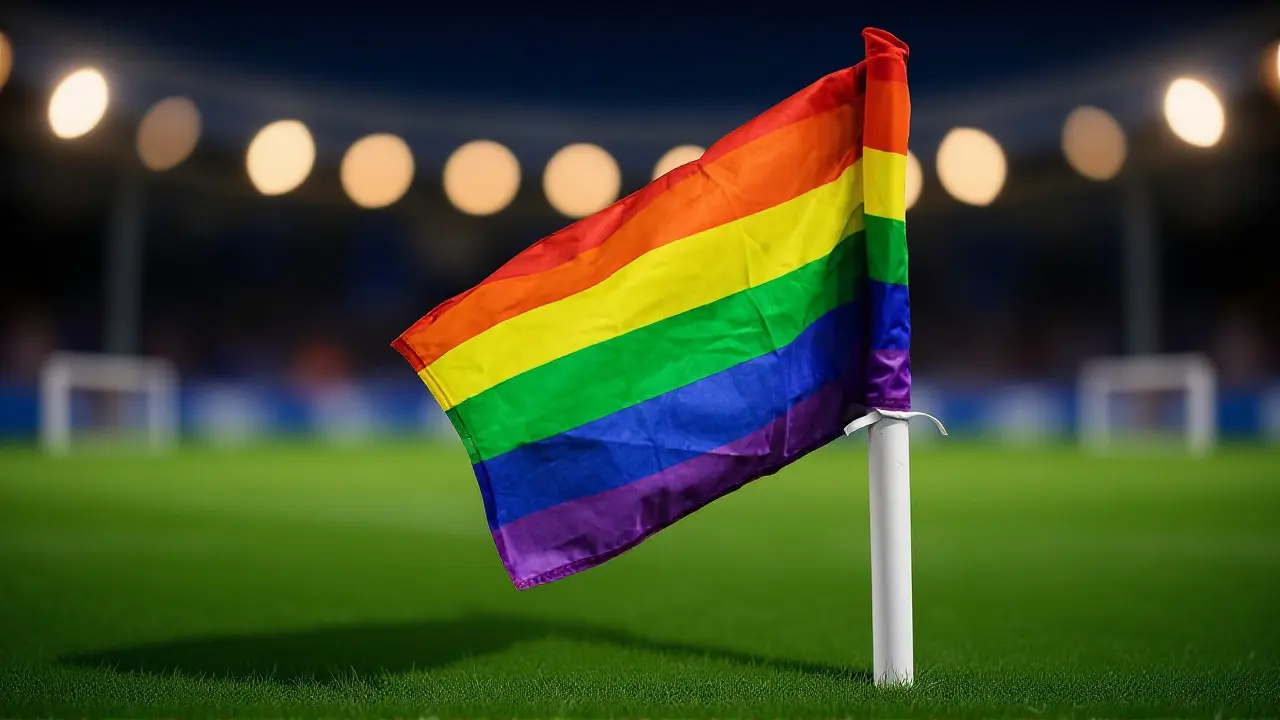
Yet, despite refusing to brand the game officially, FIFA refused to ban the flags. On Thursday, June 25, just hours before kickoff, FIFA reiterated its Stadium Code of Conduct: general statements of human rights, including rainbow flags, are permitted. This split decision—allowing the symbols while denying the label—left everyone guessing how the night would unfold.
The Atmosphere: Flags, Fans, and Friction
By 8:00 p.m. local time, the air outside Lumen Field was thick with anticipation. Thousands of fans gathered, creating a visual tapestry of Egyptian green, Iranian red, and vibrant rainbow stripes. It was surreal. Supporters queued together, sharing space despite the political chasm back home.
But it wasn’t all harmony. Iranian demonstrators marched from Pioneer Square to the stadium, protesting the Pride branding. Meanwhile, Pride organizers celebrated what they saw as a victory for visibility. KOMO News documented the scene with over 35 photos, capturing the juxtaposition of traditional national pride and progressive social activism under one roof.
Inside the sold-out stadium, which held 66,925 spectators, the focus shifted to the pitch. The tension didn’t spill onto the field, but it lingered in the stands. You could feel it in the chants, the silence, the glances. It was an awkward lead-up, as BBC News noted, but once the whistle blew, it was just football.
The Match: Goals and Qualification
On the field, the drama was sporting rather than political. Mahmoud Saber struck early for Egypt, scoring in the fifth minute to give the Pharaohs a shock lead. The crowd erupted. But Ramin Rezaeian responded quickly for IR Iran, leveling the score and setting up a tense finale.
The game ended 1-1. For Egypt, it was enough. The draw secured their qualification to the Round of 32, sending their fans into raptures. For Iran, it meant elimination. The result mattered more than the rhetoric, at least for the players. As Fox13 Seattle described it, it was an "incredible match" defined by skill and resilience, not ideology.
What This Means for Future Tournaments
This incident raises big questions for FIFA and future host cities. Can a global tournament remain neutral when local hosts inject social causes into the fabric of the event? Seattle’s approach suggests that yes, you can—but only if you’re prepared for backlash. The distinction between "official" FIFA branding and "local" community celebration is thin, especially when rainbow flags fly high above the pitch.
Experts argue that this sets a precedent. If Seattle can host a Pride-themed World Cup match without FIFA’s formal endorsement, other cities might follow suit. Conversely, federations from conservative nations may demand stricter controls on stadium content in future bids. The balance between inclusivity and diplomatic sensitivity is delicate.
Frequently Asked Questions
Was the Egypt vs Iran match officially called a 'Pride Match' by FIFA?
No. FIFA President Gianni Infantino explicitly stated that there is no official "Pride Match" designation within the World Cup schedule. The branding was initiated by local Seattle organizers and Pride groups, not the global governing body. FIFA treated it as a standard World Cup fixture while allowing local celebrations to proceed separately.
Were rainbow flags allowed inside the stadium?
Yes. Despite objections from the Iran and Egypt football federations, FIFA confirmed that rainbow flags and other symbols representing sexual orientation and gender identity are permitted under the FIFA World Cup 2026 Stadium Code of Conduct, provided they are used respectfully and do not disrupt the event.
Who won the match and what were the consequences?
The match ended in a 1-1 draw. Mahmoud Saber scored for Egypt in the fifth minute, and Ramin Rezaeian equalized for Iran. The result qualified Egypt for the Round of 32, while Iran was eliminated from the tournament. The sporting outcome overshadowed the political controversy for many fans.
Why did Seattle choose this specific match for Pride celebrations?
Seattle Pride organizers selected the June 26 date months before the World Cup draw, intending to kick off the city’s Pride Weekend. They did not know which teams would play until after the draw in December 2025. The choice was made to maximize visibility and attendance during the peak of Pride Month, regardless of the participating nations.
How did the local community react to the controversy?
Reactions were mixed but largely peaceful. Thousands of fans, including Egyptian and Iranian supporters, gathered alongside Pride advocates. While some Iranian groups protested the Pride branding, many attendees embraced the inclusive atmosphere. Local media highlighted the unity among diverse crowds, framing the event as a testament to Seattle’s commitment to inclusivity.