
Kenya Revenue Authority
When you hear Kenya Revenue Authority, the government body responsible for collecting taxes and enforcing revenue laws in Kenya. Also known as KRA, it's the agency that decides how much you pay, when you pay it, and what happens if you don’t. It’s not just about filing returns—it’s about who’s watching, who’s getting fined, and who’s calling out the system.
The Kenya National Examinations Council, the body that oversees national school assessments in Kenya isn’t the only public institution under pressure. The Kenya Ports Authority, the agency managing Kenya’s major shipping terminals got called out for paying Sh109.5 million in unauthorized director allowances. That kind of mismanagement doesn’t happen in a vacuum. When the Auditor General flags cash leaks in state agencies, people start asking: if KPA can bend the rules, what’s KRA doing behind closed doors?
It’s not just about corruption. The Kenya Revenue Authority also sets deadlines that hit schools, businesses, and individuals hard. Remember when KNEC threatened Ksh 500 fines per student for late project uploads? That same rigidity shows up in tax filing windows, penalty notices, and digital system rollouts. KRA’s shift to digital platforms isn’t just about efficiency—it’s about control. If you miss a deadline, you’re on the hook. No second chances. No excuses. And when the public sees ministers resign over fake degrees, or banks fight over oil money, they start wondering: who’s really enforcing the rules?
What you’ll find here aren’t just news snippets. These are real stories from Kenya’s financial frontline—fines slapped on schools, audits exposing secret paychecks, and the quiet pressure KRA puts on everyday citizens and big institutions alike. This isn’t theory. It’s what happens when tax collection meets accountability, or the lack of it.
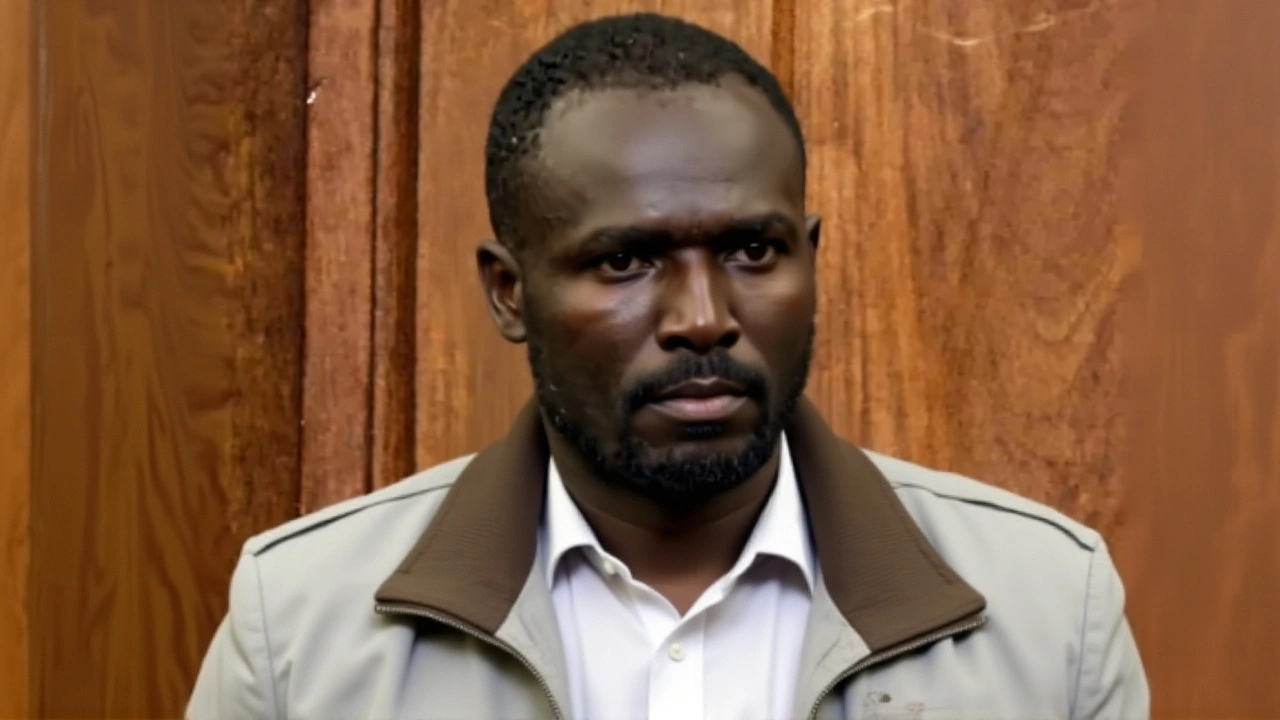
KRA Officer Charged for Demanding Sh500,000 Bribe to Fix School’s Tax Records
Evans Agumba Oriato, a KRA officer in Kisumu, was charged with demanding Sh500,000 to fix tax records for Jane Adeny Memorial School. The case highlights systemic corruption in public service delivery and is part of EACC’s ongoing crackdown.