
Broad-Based Black Economic Empowerment in South Africa: What It Means and How It Shapes Cape Town
When you hear Broad-Based Black Economic Empowerment, a South African policy designed to redress economic imbalances created by apartheid by increasing black ownership, management, and participation in the economy. Also known as B-BBEE, it’s not just a government rule—it’s a living system that affects who gets contracts, who owns shares, and who gets hired in Cape Town’s biggest companies. This isn’t about quotas for the sake of quotas. It’s about changing who holds power in the economy—banking, mining, construction, retail—and making sure black South Africans aren’t just workers, but owners, leaders, and beneficiaries.
It works through a scorecard: companies get points for things like black ownership, hiring black managers, training black employees, and buying from black-owned suppliers. A company with a high B-BBEE rating gets preferential treatment in government tenders. That means if you’re a small black-owned catering business in Khayelitsha, getting a B-BBEE certificate could land you a contract to feed workers at a new DHL Stadium renovation. It’s real money. Real change. And it’s not just happening in Pretoria—it’s shaking up Cape Town’s restaurants, tech startups, and construction firms every day.
Related to this is black ownership, the direct holding of equity in a business by black South Africans, often measured as a percentage of shares. Then there’s economic transformation, the broader process of shifting wealth, jobs, and control from historically privileged groups to previously disadvantaged communities. And you can’t talk about B-BBEE without mentioning South Africa, the country where this policy was born out of post-apartheid reconciliation and the need for inclusive growth. These aren’t abstract ideas—they’re the rules of the game in every office, factory, and tender board across the Western Cape.
Some people say B-BBEE is broken—too complex, too easy to game. Others say it’s the only tool we’ve got to fix decades of exclusion. Either way, it’s everywhere. From the Cape Town City Hall to the boardrooms of Woolworths and Sasol, it’s shaping who gets ahead. The news stories below show you how it’s playing out: a local supplier winning a city contract, a Cape Town tech founder struggling to meet ownership targets, a company fined for fake B-BBEE certificates. This isn’t theory. It’s life. And if you live, work, or do business in Cape Town, you’re already part of it.
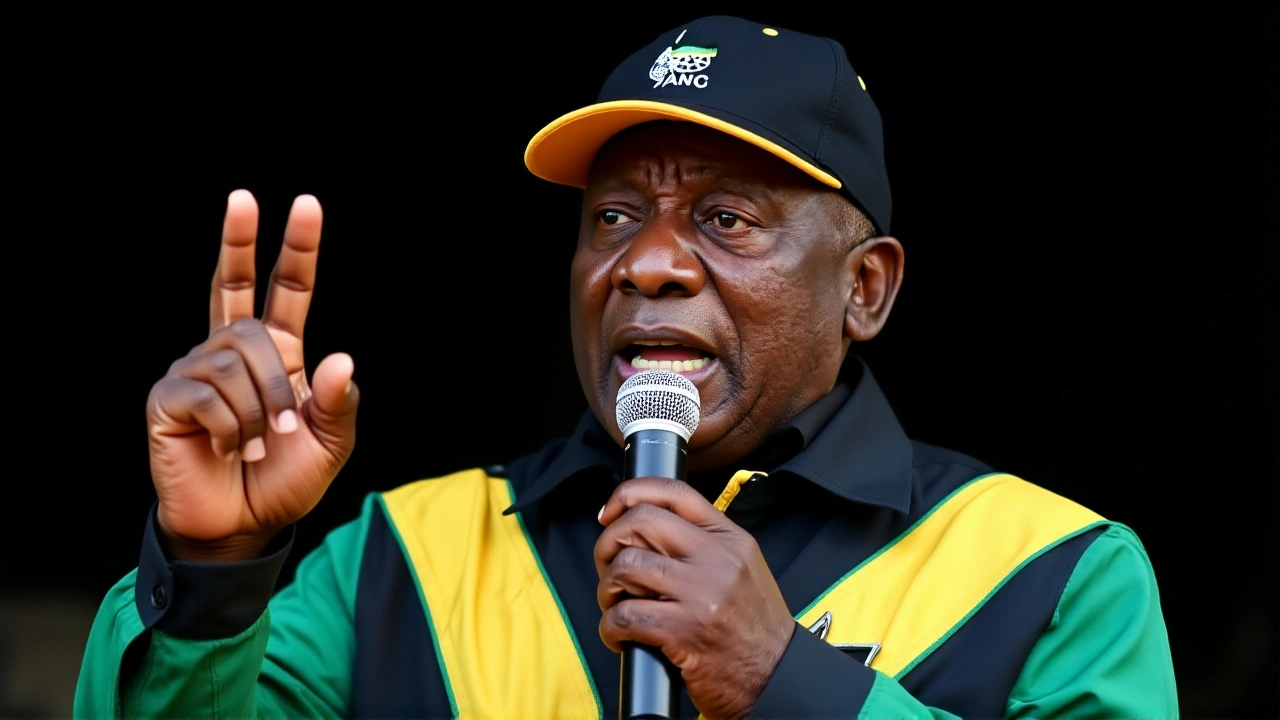
South Africa Reaffirms B-BBEE as Constitutional Imperfect Amid Calls for Reform
South Africa reaffirms B-BBEE as constitutional, but a review led by Paul Mashatile and criticism from the DA reveal deep divides over whether the policy empowers the many—or just the connected few.